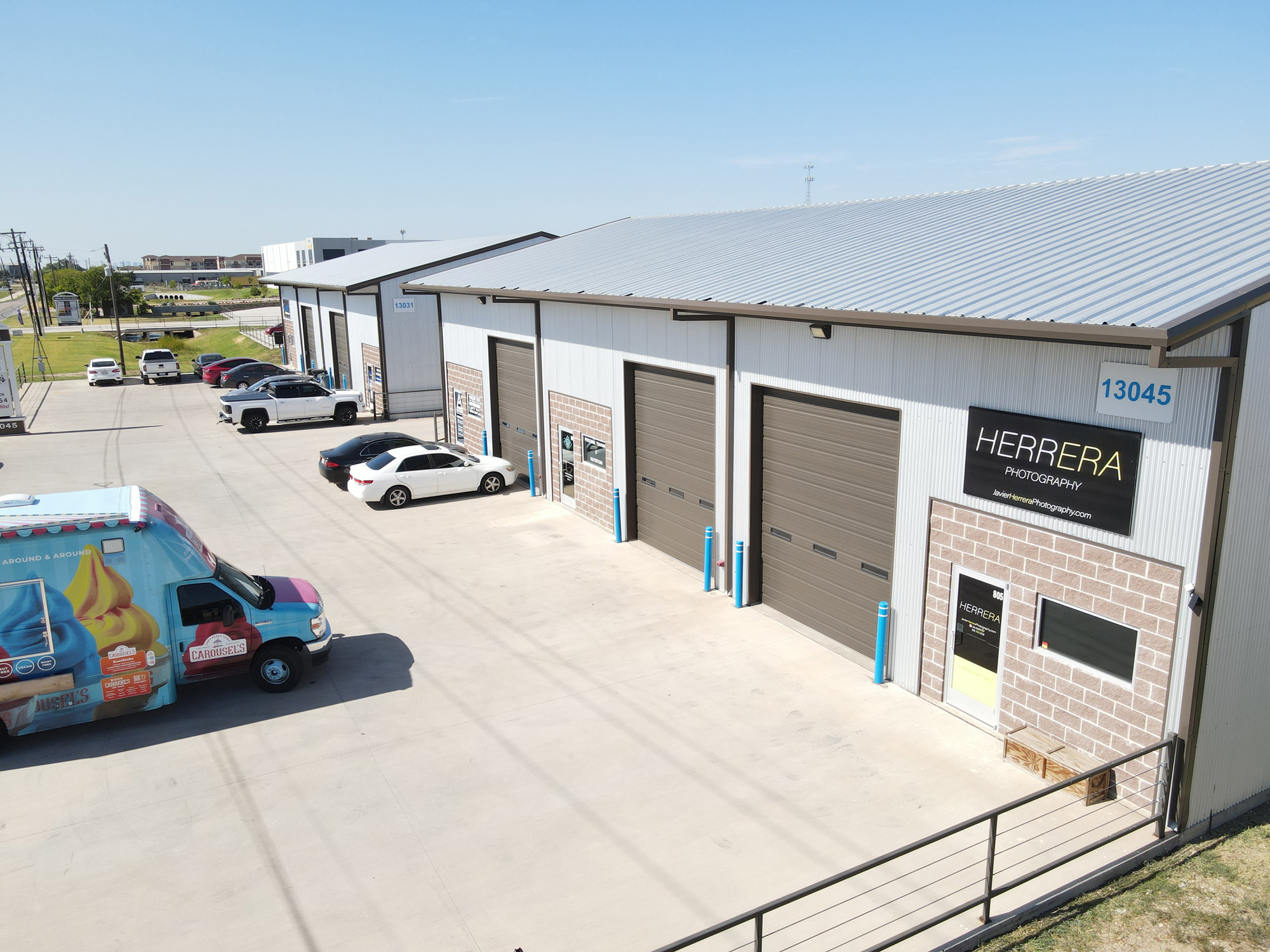
Flex space or “small bay” properties – typically ranging from 25,000 to 75,000 square feet – are an important but often misunderstood asset class in commercial real estate. As the industrial sector continues to evolve, misconceptions may stop investors, developers, and even communities from recognizing the full potential of these facilities.
Below, we take a closer look at six of the most common myths surrounding flex space development – and reveal the reality behind each one.
Myth 1: Flex Space Properties Are Obsolete and Lack Value
While some flex space facilities may be older in design, their positions in urban and suburban locations make them more valuable than ever. In this era where fast deliveries are the norm, proximity to population centers is critical. These properties are ideally suited for last mile logistics, service providers, light manufacturing, and trades-based tenants.
In fact, many tenants prefer flex spaces over larger warehouses because of ease of access, flexible sizing, and lower operating costs. Investors are increasingly recognizing the stable and growing value of these assets, especially in tight urban markets where land is limited and replacement costs are high.
Myth 2: Ecommerce Has Rendered Industrial Spaces Redundant
Quite the opposite – ecommerce has accelerated the need for flex spaces. Companies are increasingly choosing to place warehouses closer to their customers, driving a higher demand for local distribution centers.
Flex space facilities support:
- Micro-fulfillment centers
- Click-and-collect locations
- Reverse logistics (returns processing)
- Storage for local delivery fleets
For companies looking to reduce shipping times and costs, flex spaces have become extremely valuable as quick, responsive supply chains.
Myth 3: Industrial Development Is Detrimental to Communities
This myth often stems from outdated ideas of industrial zones as noisy, polluting, or visually unappealing. Today’s small bay industrial developments are cleaner, quieter, and more community-friendly than their predecessors, especially when thoughtfully planned.
Benefits to communities include:
- Job creation across logistics, skilled trades, and management
- Refreshed underused land, such as old retail or brownfield sites
- Increased municipal tax revenue that can fund infrastructure and services
By working with urban planners and engaging the community early in the process, developers can ensure these spaces enhance the local landscape rather than detract from it.
Myth 4: Modern Businesses Prefer Large-Scale Industrial Spaces
While large-scale logistics centers serve a critical role, there is a strong and growing demand for smaller, multi-use spaces that can accommodate diverse business types. Flex space properties are especially popular among:
- Tradespeople and service providers
- Light manufacturers and custom fabricators
- Startups and small businesses scaling operations
- Local distributors and last mile providers
The modular, multi-tenant layout of flex space facilities allows landlords to serve multiple tenants at once, diversifying income and reducing the risk of vacancies. In many markets, the vacancy rate for flex spaces is lower than that of larger industrial formats.
Myth 5: Industrial Spaces Are Not Environmentally Sustainable
Modern industrial design is increasingly sustainability-focused, with energy-efficient systems, renewable energy sources, and sustainable materials designed to meet tenant and regulatory expectations.
Common eco-friendly features include:
- Solar panel installations
- LED lighting and occupancy sensors
- Insulated walls and cool roofing
- Rainwater harvesting and stormwater management systems
- EV charging stations
With growing emphasis on ESG (Environmental, Social, and Governance) standards in commercial real estate, flex space facilities that embrace green building practices are in a better position to attract quality tenants and long-term investors.
Myth 6: Industrial Development Is Too Complex and Cost-Prohibitive
While industrial projects do require careful planning and due diligence, they are far from inaccessible. With the right team and strategy, flex space developments can be executed cost-effectively and at a manageable scale.
Keys to success include:
- Selecting infill sites with existing infrastructure
- Partnering with experienced architects and contractors
- Understanding local permitting and zoning nuances
- Phasing construction to match demand
Additionally, many municipalities offer incentives and streamlined approvals for projects that repurpose underutilized properties or open up new employment opportunities for the community. With smart execution, small bay development can yield strong returns with relatively low risk.
Conclusion
In an economy increasingly shaped by ecommerce, urban growth, and evolving supply chain models, flex space properties are not only relevant – they are essential. Debunking these common myths helps stakeholders better understand the strategic role these spaces play in supporting businesses, enriching communities, and driving sustainable economic growth.
Whether you’re a developer, investor, or occupier, flex spaces offers flexibility, resilience, and long-term value in a dynamic commercial real estate environment.
Content developed in conjunction with Cody Payne and Michael Tran of Flex Parks USA.