To ensure that flex space industrial properties are successful, investors must carefully analyze the surrounding market before making any investment decisions. Always be familiar with factors that may impact the profitability and lifespan of an investment.
Understanding Flex Space Properties
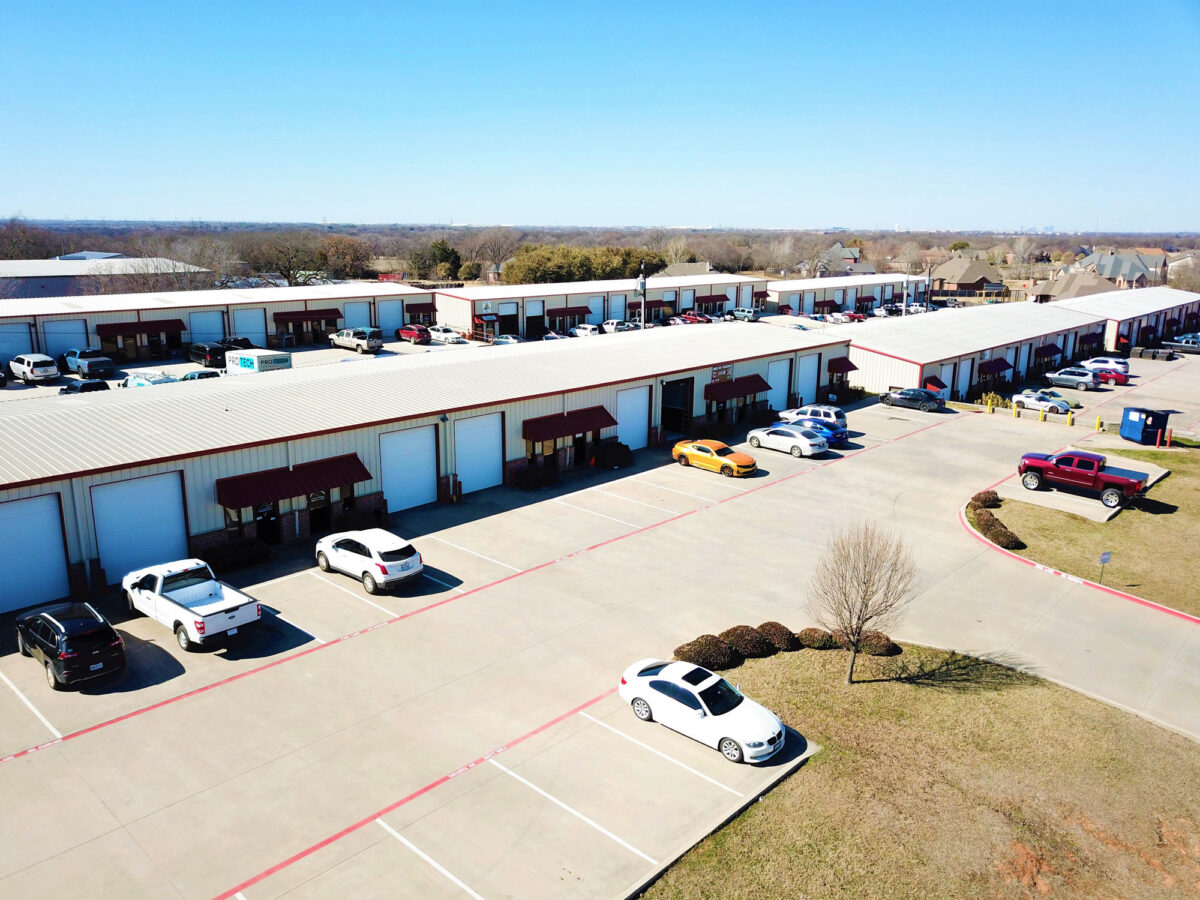
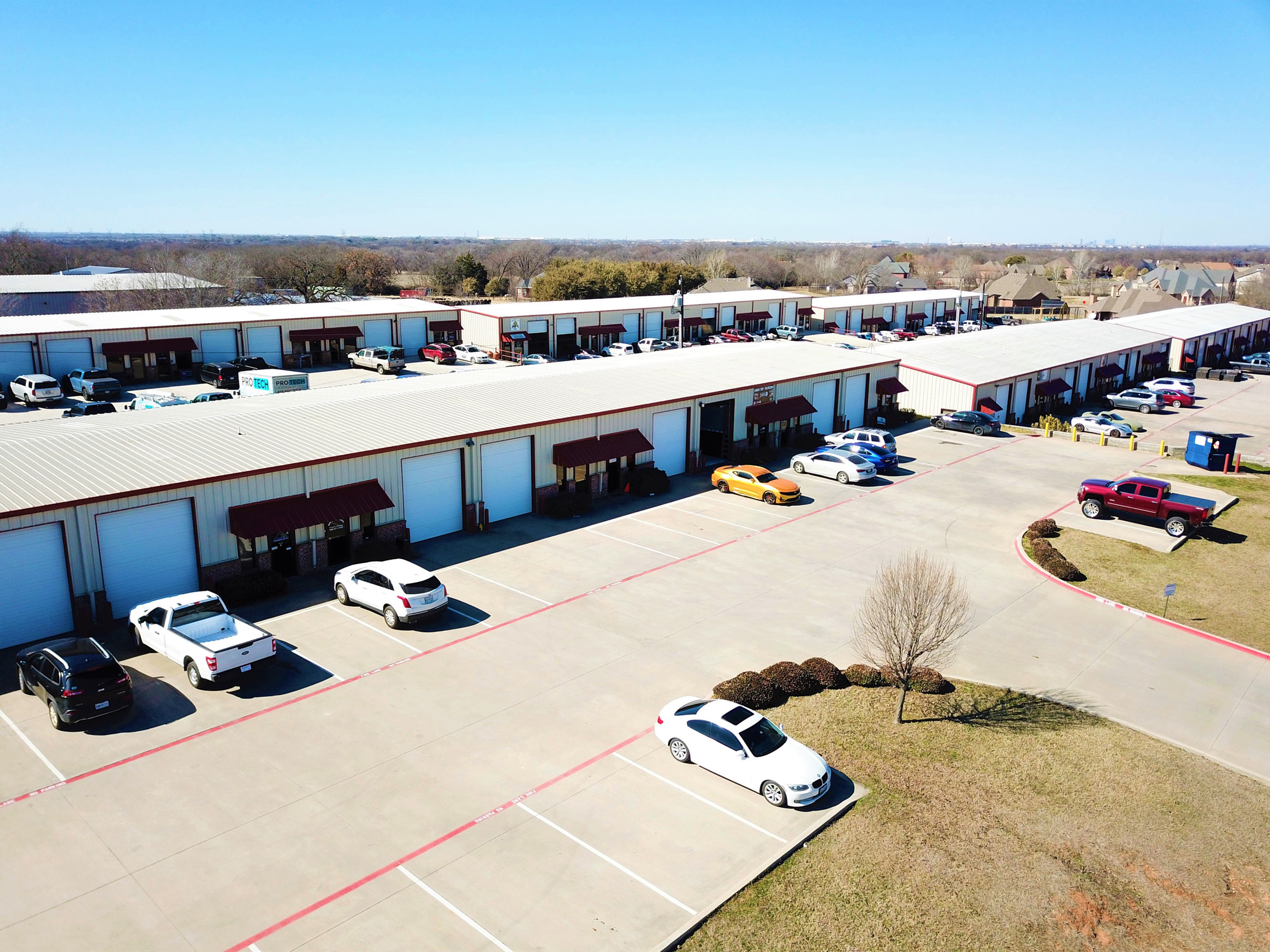
Flex space units range from 1,200 to 5,000 square feet and often occupy larger multi-tenant flex space buildings. Small and mid-sized businesses value these spaces because of their versatility, lower tenant improvement costs, and affordability compared to larger industrial spaces.
Key Factors in Market Analysis
Supply and Demand Dynamics
Study the availability versus the demand for flex space industrial units from potential tenants in your market. High demand coupled with limited supply can lead to lower vacancy rates and potential rental growth. For example, a market reporting an availability rate of 1.6% to 5.1% likely indicates strong demand for flex space property investment opportunities.
Tenant Profiles and Needs
Identify the primary types of businesses that occupy flex space properties in your area and understand their needs, such as space configuration, accessibility, and amenities. Use this information when selecting and modifying your property to attract and retain tenants, which is crucial for a successful investment.
Rental Rates and Lease Terms
Examine the typical rental rates and lease terms for flex space properties in your area. This helps you estimate potential income and assess how competitive your flex space property investment is. Flex spaces usually rent for lower than traditional office or retail spaces, making them attractive to tenants who are watching their budgets.
Occupancy and Vacancy Trends
Review past and current occupancy and vacancy rates to assess market stability and predict future performance. Consistently low vacancy rates may indicate a robust market with strong demand, a positive sign for your investment.
Competitive Landscape
Note how many similar properties the market currently offers and investigate any upcoming developments that might increase competition in the area. Understanding the competitive environment is essential to effectively position your flex space property investment.
Economic and Demographic Indicators
Consider local economic conditions, employment rates, and demographic trends that influence business growth and demand. Areas with economic growth may offer more favorable conditions for industrial property investments including flex space industrial properties.
Regulatory and Zoning Considerations
Research local zoning laws, building codes, and other regulations to determine how they may impact property use, modifications, or development potential. Ensuring compliance with these regulations plays a crucial role in the operational success of any flex space property investment.
Conducting a comprehensive market analysis is invaluable when buying or developing flex space properties. Meticulously evaluate supply vs demand, tenant profiles, financial metrics, and the local economy to skyrocket the likelihood of your investment’s success in the flex space real estate market.
Contact us to learn more about conducting a comprehensive market analysis for flex space industrial investment.
Content developed in conjunction with Cody Payne and Michael Tran of Flex Parks USA.