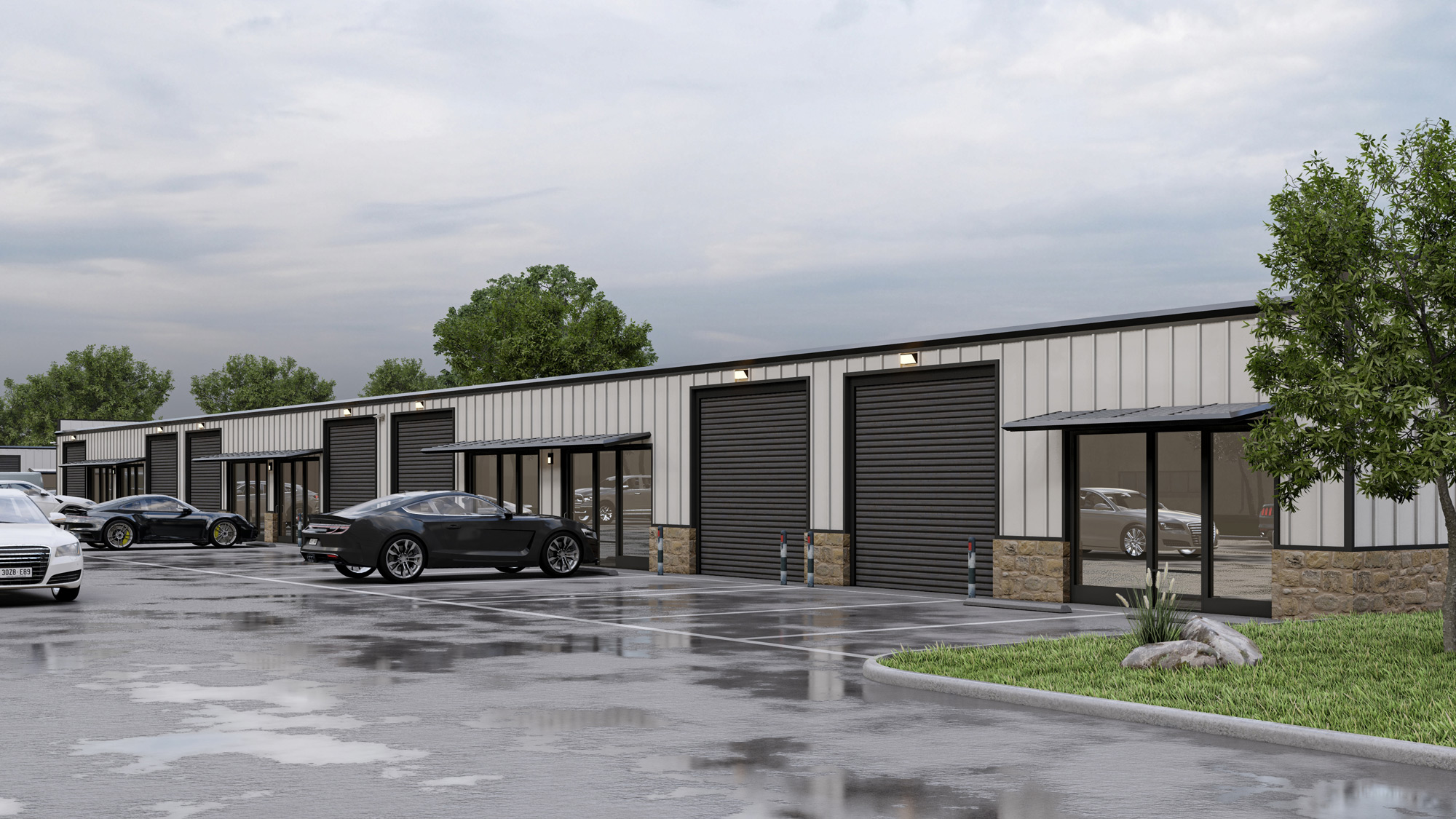
To successfully develop flex space or small bay industrial facilities, it’s best to follow a clear, step-by-step plan. First, identify a side and conduct a feasibility study to see if the project makes sense. Then, create a well-thought-out design.
1. Site Selection
Choosing the right location is critical to success:
- Accessibility: Secure efficient logistics by selecting sites that are close to major transportation routes.
- Infrastructure: Prioritize essential utilities and services, such as water, electricity, and high-speed internet.
- Zoning and Regulations: Verify that the site complies with local zoning laws and environmental regulations to avoid legal complications.
A detailed site analysis is an important part of the feasibility study. It checks to see if the features and environmental conditions of the site are suitable for development.
2. Feasibility Study
A solid feasibility study gives you the financial foundation of the development. It looks at several key factors to determine how likely the project is to succeed:
- Market Analysis: Study the demand for flex spaces in the target area. Pay attention to local economic trends and how many nearby businesses could use flex spaces for their operations.
- Financial Projections: Estimate development costs and potential revenue. This includes budgeting for construction, permits, and operational expenses.
- Risk Assessment: Identify potential challenges, such as environmental concerns or tricky regulations, and develop strategies to combat them.
3. Design and Planning
Good design and planning are key to making sure the space works well for future tenants and supports their day-to-day operations:
- Flexibility: Design spaces that can adapt to meet diverse needs and activities.
- Sustainability: Incorporate ecofriendly features to reduce environmental impact and appeal to ecoconscious businesses.
- Compliance: Meet all safety standards and building codes within your designs to protect occupants and avoid legal issues.
- Engaging with experienced architects and engineers during this phase can lead to more efficient and cost-effective designs.
4. Permitting and Approvals
Navigating the permitting process is crucial:
- Documentation: Prepare and submit all required documents to local authorities, including environmental assessments and building plans.
- Community Engagement: Engage with the local community to address concerns and gain support for the project.
Understanding local regulations and maintaining open communication with stakeholders can streamline approvals and promote positive relationships.
5. Construction and Development
Once approvals are secured, the construction phase begins:
- Project Management: Use strong project management practices to keep projects on time and within budget.
- Quality Control: Maintain high-quality construction standards to ensure facility durability and functionality.
Conduct regular inspections and work closely with trusted contractors to help ensure that projects are completed successfully.
By following these steps, developers can build successful flex space facilities that meet market demands and deliver long-term reliable returns on investment.
Content developed in conjunction with Cody Payne and Michael Tran of Flex Parks USA.