A Familiar Problem Hiding in Plain Sight
It usually starts small.
A contractor needs a place to store tools and materials, but also somewhere to meet a client or run paperwork at the end of the day. An e-commerce seller outgrows a spare bedroom and a few storage units, but can’t justify leasing a full warehouse. A service-based business needs secure storage, light workspace, and room to operate, all without committing to more space (or cost) than they actually need.
These are not edge cases. They’re common, everyday situations playing out in markets across the country.
Yet for years, real estate has offered these businesses only imperfect choices. Self storage works, until it doesn’t. Traditional industrial space is often too large, too expensive, or too inflexible. Office space solves one problem while creating another.
The result is a gap, a very real one, between how small businesses operate and the spaces available to support them.
That gap is where flex space began to take shape.
The Space Between Asset Classes
For decades, commercial real estate has been organized into neat categories: office, industrial, retail, self storage. Each serves a purpose, each with its own rules, economics, and expectations.
Small businesses, however, don’t operate in categories.
A contractor might need secure storage, a roll-up door, and a small office all in one place. A fitness studio may need open floor space and back-of-house storage, but not a retail storefront. An entrepreneur might need room to store inventory today, assemble products tomorrow, and add staff next year.
None of those needs fit cleanly into a single asset class.
What emerged instead was a kind of in-between space. Properties that borrowed from multiple categories but didn’t belong squarely to any of them. In some markets they were called small bay warehouses. In others, flex industrial, business parks, or even commercial condos.
Different names. Similar function.
Flex space didn’t arrive as a trend. It arrived as a response, shaped by how businesses actually use space. Not by how real estate has traditionally labeled it.
How We Got Here: The Quiet Evolution of Flex Space
Long before “flex space” became a commonly used term, the product already existed.
Developers were building small bay industrial projects with roll-up doors and modest office buildouts. Owners were leasing to local service businesses, trades, and light users who needed more than storage but less than a warehouse. Self storage operators were noticing that their best tenants, the ones who stayed longest and paid reliably, were business customers who eventually needed something more.
The space was there. What was missing was clarity.
Just as the self storage industry once evolved from the vague label of “mini storage” into a clearly defined, widely understood asset class, flex space has followed a similar path. Multiple labels, overlapping definitions, and inconsistent terminology made it harder for investors, lenders, brokers, and operators to speak the same language — even when they were describing the same product.
Over time, the industry began to converge around a single idea: adaptable, small-scale commercial space designed for active use.
Flex space didn’t suddenly appear. It matured quietly, shaped by demand, refined through practice, and increasingly recognized for what it is – a distinct and valuable asset class in its own right.
So What Is Flex Space, Really?
At its simplest, flex space is designed to do something traditional real estate struggles with: adapt.
Flex space combines elements of warehouse, workspace, and storage into a single, right-sized environment built for active use. It’s not just a place to put things. It’s a place where business happens. Inventory is received and shipped. Equipment is stored and serviced. Teams gather, products are assembled, and operations run day to day.
What makes flex space different isn’t any single feature. It’s the balance.
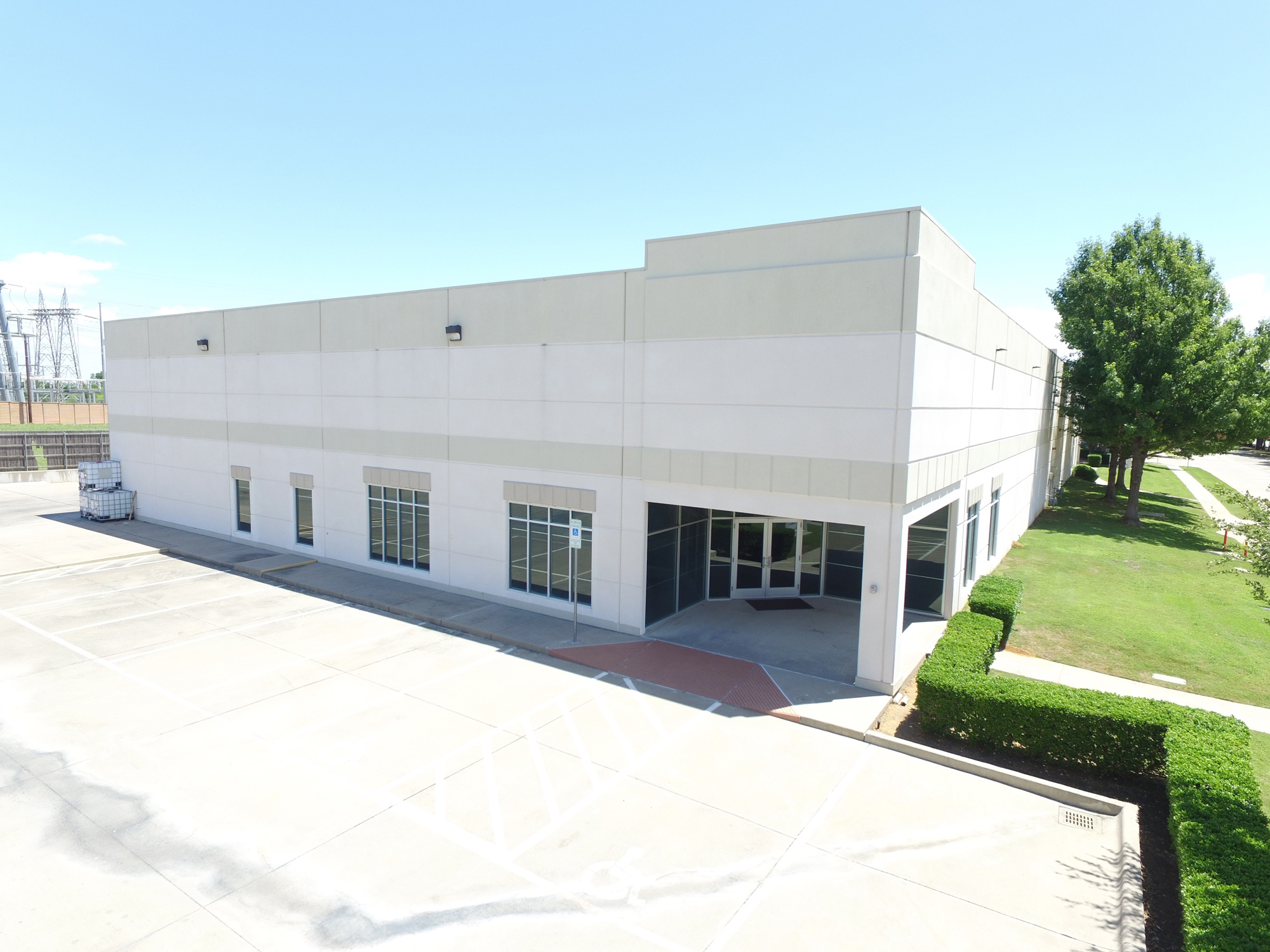
Most flex spaces include a small office component paired with a larger open area that can flex between storage, light industrial use, studio space, or workspace depending on the tenant’s needs. Roll-up doors, clear span interiors, and straightforward layouts allow businesses to configure the space around how they actually work, not the other way around.
Flex space isn’t about maximizing square footage. It’s about maximizing usefulness.
Why Flex Space Matters Now
The rise of flex space isn’t accidental. It’s a direct response to how the economy and the workforce have changed.
Small businesses make up the backbone of local economies, yet many have been underserved by traditional commercial real estate. Industrial buildings have grown larger. Office space has become more specialized and expensive. At the same time, more businesses operate with lean teams, flexible workflows, and hybrid models that blend physical and digital operations.
Flex space meets those businesses where they are.
Demand continues to outpace supply in many markets, driven by contractors, service providers, e-commerce sellers, fitness operators, and entrepreneurs who need space that works as hard as they do. These tenants aren’t looking for prestige addresses or excess square footage. Yhey’re looking for functional, affordable space that can evolve as their business grows.
That combination of limited supply and consistent demand is what has elevated flex space from a niche product to a compelling asset class.
Why Self Storage Owners Recognized the Opportunity First
In many ways, self storage owners were uniquely positioned to see this coming.
For years, the most reliable self storage tenants weren’t short-term residential users, they were businesses. Contractors storing tools. Retailers holding inventory. Service providers operating out of drive-up units until they outgrew them.
When those tenants reached the limits of what a storage unit could offer, owners faced a familiar outcome: the customer left.
Flex space changes that dynamic.
By adding flex space to a property or portfolio, owners can create a natural progression for their best tenants. A business can start in a storage unit, grow into flex space, and remain within the same ecosystem, increasing tenant lifetime value while reducing churn.
Beyond retention, flex space introduces a different operating profile. Leases are typically longer. Many are structured as triple net (NNN), passing expenses through to the tenant and creating more predictable income. For owners accustomed to the operational intensity of self storage, flex space often feels familiar, but with a steadier revenue stream.
When Flex Space Became an Asset Class
An asset class isn’t defined by buildings alone. It’s defined by shared understanding.
As more developers, investors, and operators began to recognize the common characteristics of flex properties – how they’re built, leased, used, and underwritten – the conversation shifted. Flex space was no longer just “that small industrial product” or “something like a warehouse with an office.” It became something distinct.
That shift matters.
When terminology is consistent, education accelerates. Financing becomes more accessible. Brokers list properties more accurately. Investors can compare opportunities with confidence. And tenants better understand what they’re looking for.
FlexSpace Nation emerged out of that need for clarity. Not to invent flex space, but to help define it, explain it, and support the growing community of people building and investing in it.
From Concept to Definition: Where to Go Next
If this story feels familiar, if you’ve seen these properties in your market or recognized these tenant needs, you’re not alone.
What often comes next is a desire for precision: a clear definition, a shared framework, and a deeper understanding of how flex space fits within the broader real estate landscape.
For a structured, industry-aligned explanation, including how flex space is defined as an asset class, visit What Is Flex Space? The Official Definition & Asset Class Overview. That page serves as FlexSpace Nation’s foundational resource for investors, developers, lenders, and operators looking to speak the same language about flex space.
The Future of Flex Space
Flex space represents more than a single building type. It reflects a broader shift toward adaptability in real estate. Space that responds to how people work, build, and grow businesses today.
As demand continues to rise and awareness grows, flex space is becoming a permanent part of the commercial real estate landscape. For owners and developers willing to understand it, design it intentionally, and operate it well, flex space offers an opportunity to serve businesses more effectively while building resilient, future-focused assets.
The conversation around flex space is still evolving. But one thing is clear: the space between asset classes is no longer empty.